What two decades of Gulf–Libya trade taught me
From a small auto-parts shop in Benghazi to founding a trading company in the UAE in 2008: what years of moving goods between the Gulf and Libya teach about trust, logistics and staying the course.
Why I believe that what a country can make for itself is part of how it protects itself.
When people hear the words "national security", they usually think of borders, armies and diplomacy. I think of a builder in Benghazi waiting for a shipment of cement that is stuck somewhere at sea. I think of a family checking the price of milk every week. I think of a young engineer who studied for years and cannot find a factory floor to work on.
My view is simple, and I hold it more firmly the longer I work: a country that cannot produce its own basic materials and its own food is exposed, no matter how much money it has in the bank. Steel, cement and food are not glamorous industries. They are the floor that everything else stands on.
I did not start out as an industrialist. My early career was in trade: an automotive-parts shop in Benghazi, then distribution, logistics and procurement between North Africa and the Gulf. Trade taught me a great deal, and I still respect it. But it also showed me, very directly, how fragile a supply chain can be.
When you import almost everything, you import other people's problems along with the goods. A port closes, a currency moves, freight costs jump, a supplier decides another market is more attractive, and suddenly a project at home stops. The trader can often find another route. A whole country cannot always do the same, at least not quickly and not cheaply.
I saw this at first hand in Benghazi during the conflict of the early 2010s, when our warehouse facilities were damaged and our operations were disrupted. We rebuilt and kept going, but it was a clear reminder of how quickly a supply chain can break.
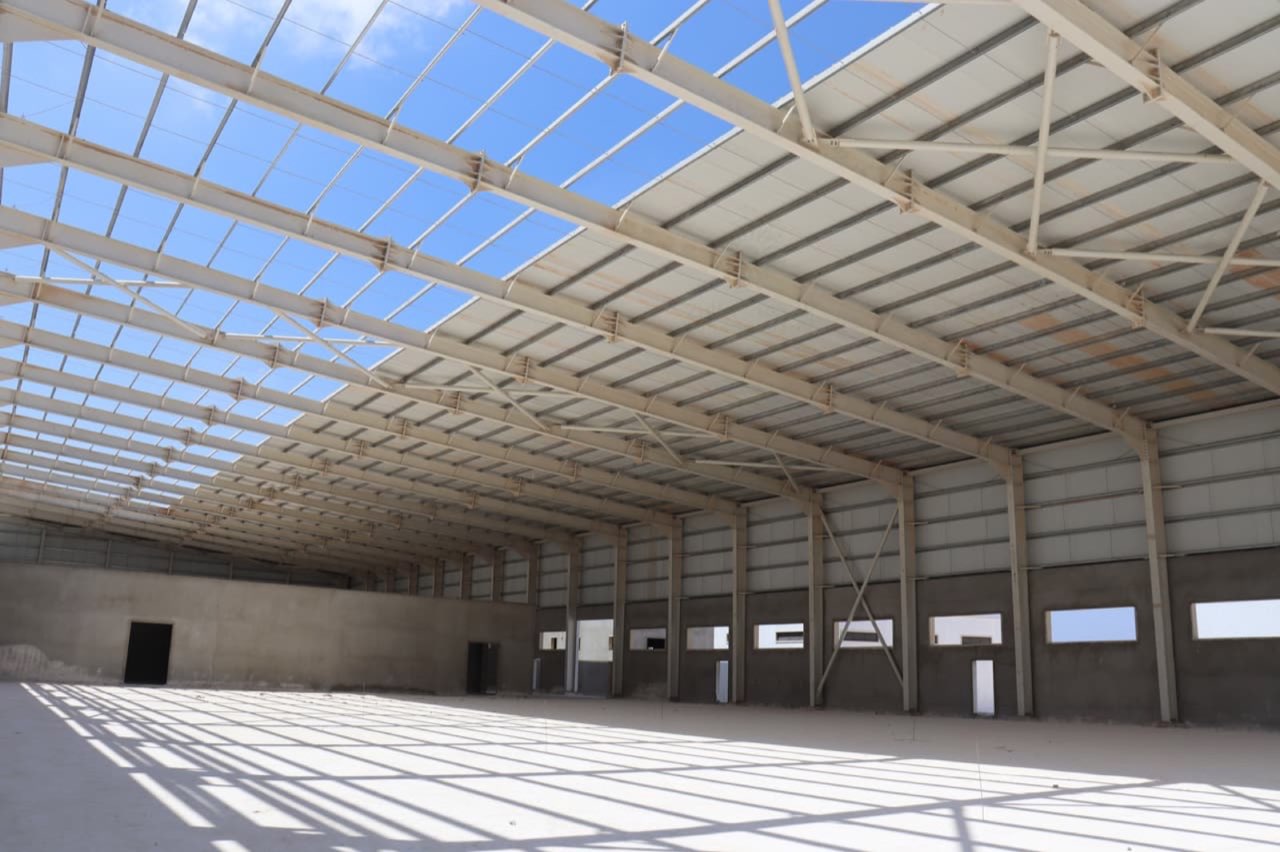
Libya has a great deal to build and, in many places, to rebuild. Homes, schools, hospitals, roads and ports all need two things in large quantities: steel and cement. If those materials must always come from abroad, then the pace of rebuilding is set by someone else's factories, someone else's prices and someone else's priorities.
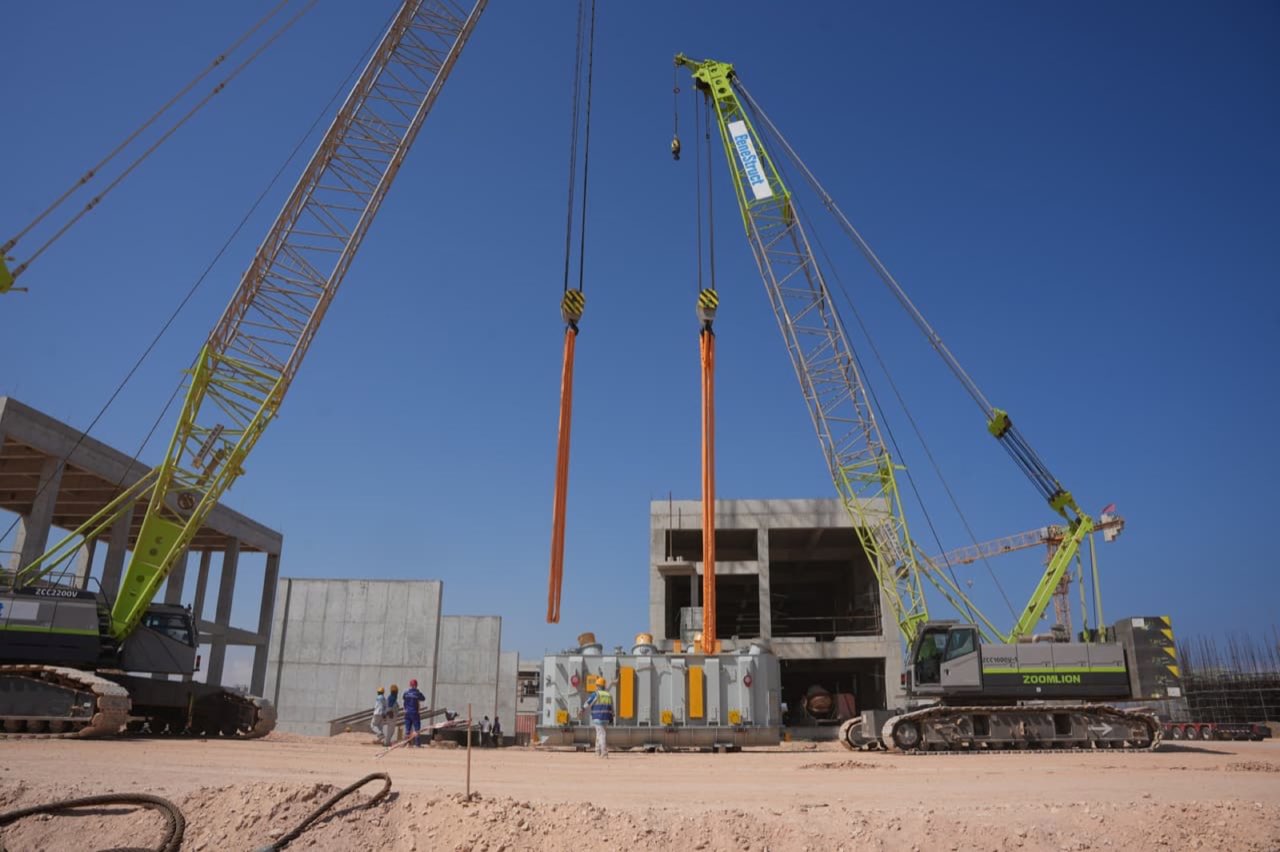
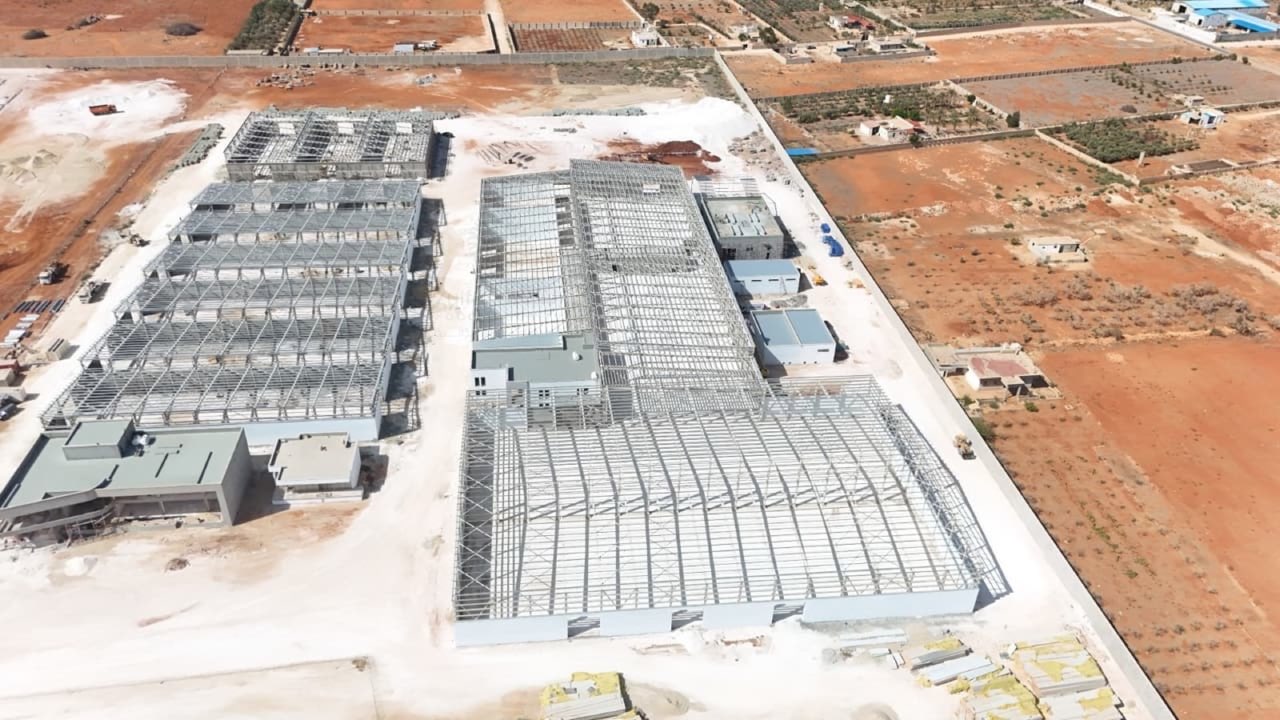
This is why I chose to put serious effort into heavy industry. As Chairman of Libya United Steel Company (SULB) and of the Tosyali-SULB partnership, a direct reduced iron steel complex in Benghazi that the group describes as one of the world's largest DRI projects, and as Chairman of Libyan Cement Company, I see these companies as more than investments. They are capacity that stays in the country. A restored cement production line or a new steel plant does not move when the market turns. It stays, and so do the skills of the people who run it.
Bringing old capacity back to life matters as much as building new capacity. An idle plant is a quiet loss: equipment ages, experienced people leave, and the knowledge goes with them. Restoring it is slow, patient work, and I think it is some of the most useful work an investor can do.
Steel and cement build a country. Food keeps it calm. Every household feels the price and availability of food directly, every day. A nation that depends heavily on imported food is a nation whose kitchens are linked to events it cannot control.
I do not believe any country should try to make everything itself. That is neither realistic nor wise. But producing and processing a meaningful share of everyday food locally, with modern standards of safety and packaging, gives families stability and gives farmers and workers a reason to stay and invest in their own communities. That is the thinking behind our move into food production.
When I talk about local industry, I am really talking about jobs. A factory is a school as well as a workplace. Young Libyans learn to operate machinery, to maintain it, to manage quality and safety, to plan production and to lead teams. Those skills do not disappear when a shift ends; they build a professional class that the country needs.
It is also about how people live. Housing for workers near industrial sites is not charity. It is part of building an operation that people can commit to for years, with their families close by. In my experience, people give their best when they feel the company is invested in them, not only in the output.
I am not arguing against trade or against foreign partners. The opposite is true. The best industrial projects I know combine local ownership and local workers with international technology and experience. Partnerships with established foreign companies can shorten the learning curve by many years. The goal is not isolation. The goal is resilience: enough capacity at home that the country can choose its partners rather than depend on them.
For governments, this means steady rules, reliable energy and infrastructure, and patience with projects that take years to pay back. For investors, it means accepting that heavy industry is a long commitment and not a quick trade. For young people, it means seeing technical and industrial careers as something to be proud of.
I kept working in Benghazi through the hard years of the 2010s, and I came out of that period more convinced, not less, that a country's strength is measured partly by what it can make for itself.
This essay is about the idea, not the progress reports. For dated updates on the steel, cement and food projects, please see the news page on ahmedgadalla.com, which is where the project news is published.
— Ahmed Gadalla
Keep reading
From a small auto-parts shop in Benghazi to founding a trading company in the UAE in 2008: what years of moving goods between the Gulf and Libya teach about trust, logistics and staying the course.
A strategy diploma in 2021–22, Chartered Management Institute membership, an MBA in 2025 and now doctoral-level study: why formal learning still matters after years in business.
Contact the office
Journalists, event organisers and prospective partners can reach the office of Ahmed Gadalla through the contact page.