Jobs
The first is jobs: industry that employs Libyans at home rather than importing what could be made locally.
A Libyan engineer who learned business through trade, built an industrial group step by step and still treats every year as a chance to learn.
About
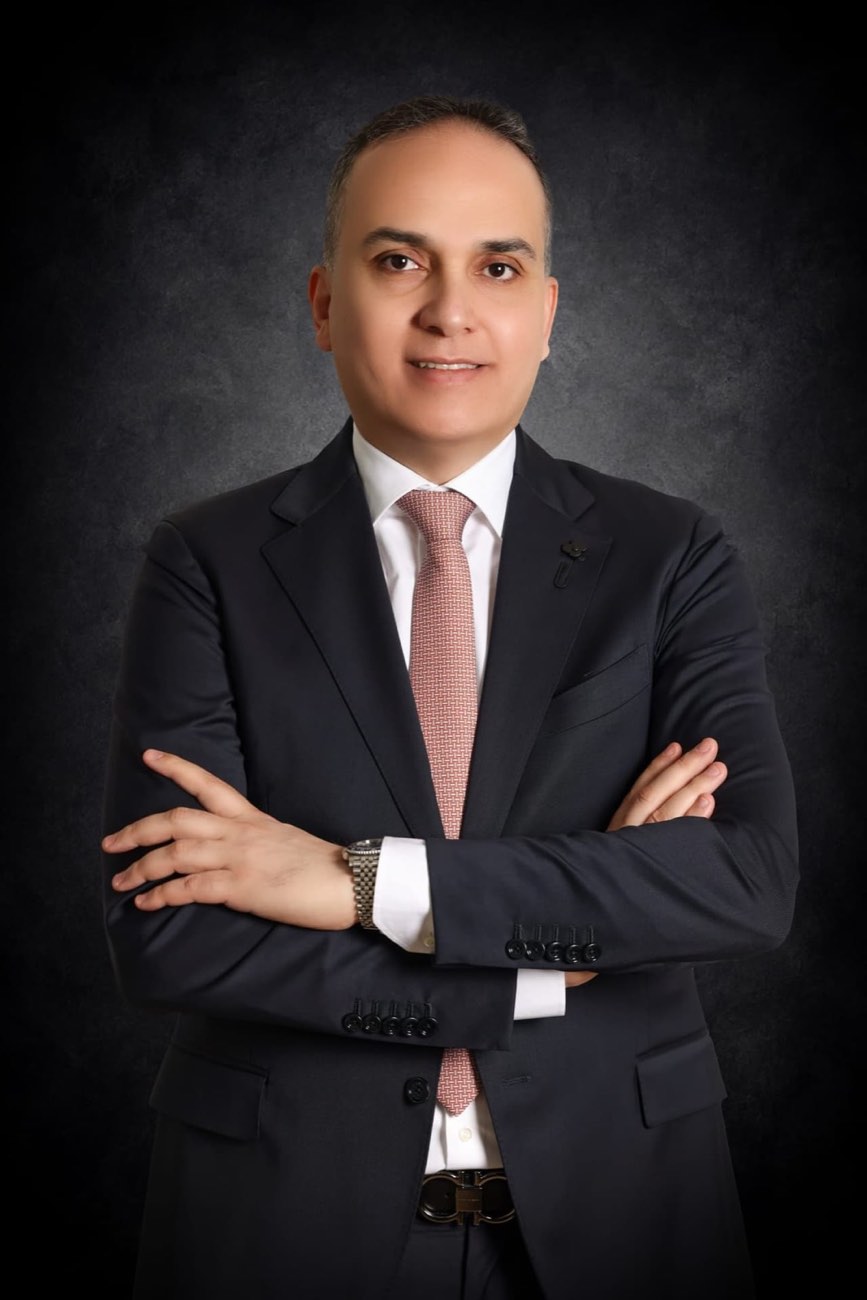
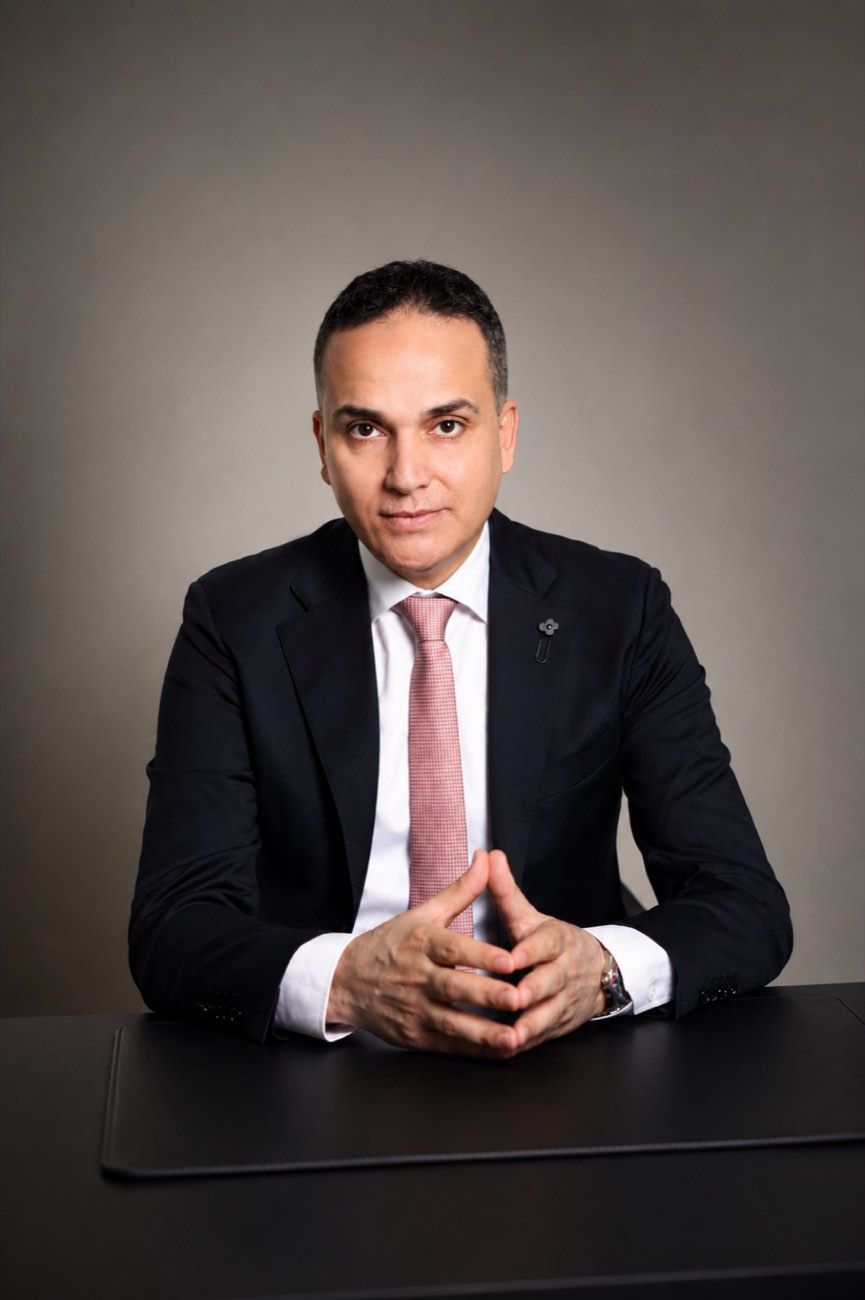
A Libyan industrialist who trained as an engineer, Ahmed Gadalla (known in business circles as Ahmed Alushibe) founded Alushibe Holding Group and serves as its Chairman. This is his official website. It explains, plainly, where he came from and how his businesses took shape. For day-to-day news on projects in Libya, see ahmedgadalla.com; for group announcements, see alushibenews.com.
Education
Before he was a trader or an investor, Ahmed Gadalla was an engineering student. He earned a Bachelor of Science in Industrial Engineering from the University of Garyounis in Benghazi, now the University of Benghazi. Industrial engineering is the study of how work actually gets done: how materials, people, machines and time fit together, and where waste creeps in. That habit of looking at a whole system, rather than a single part of it, runs through everything he has built since.
A spell of English-language and graduate-entrance test preparation (TOEFL and GRE) followed in 2007–2008, taken in the United States at Indiana University Southeast: an early sign of the outward-looking approach that would shape his career.
Trade
His first business was modest: a small automotive-parts shop in Benghazi. Selling spare parts teaches what no classroom can: stock must arrive on time, and a supplier's word is only as good as the last shipment. From the shop he moved into distribution and then logistics, each step building on the one before.
Much of that early work involved connecting two regions that needed each other. Libyan markets required goods, equipment and materials; Gulf ports and traders could supply them. He focused on procurement, logistics and the supply chains that link North Africa with the Gulf, learning how cargo, paperwork and payment move across borders.
His UAE trading company, Al Mored Oasis General Trading LLC, dates from 21 December 2008. The UAE became, and remains, his business base in the Gulf: a practical place to trade from, with the ports, shipping routes and commercial services that cross-border work depends on. The story of that base is told in more detail on the UAE & Gulf page.
The group
Alushibe Holding Group was established in 2008, but the investments behind it were assembled through a series of deliberate decisions, some made before the group existed and others years later:
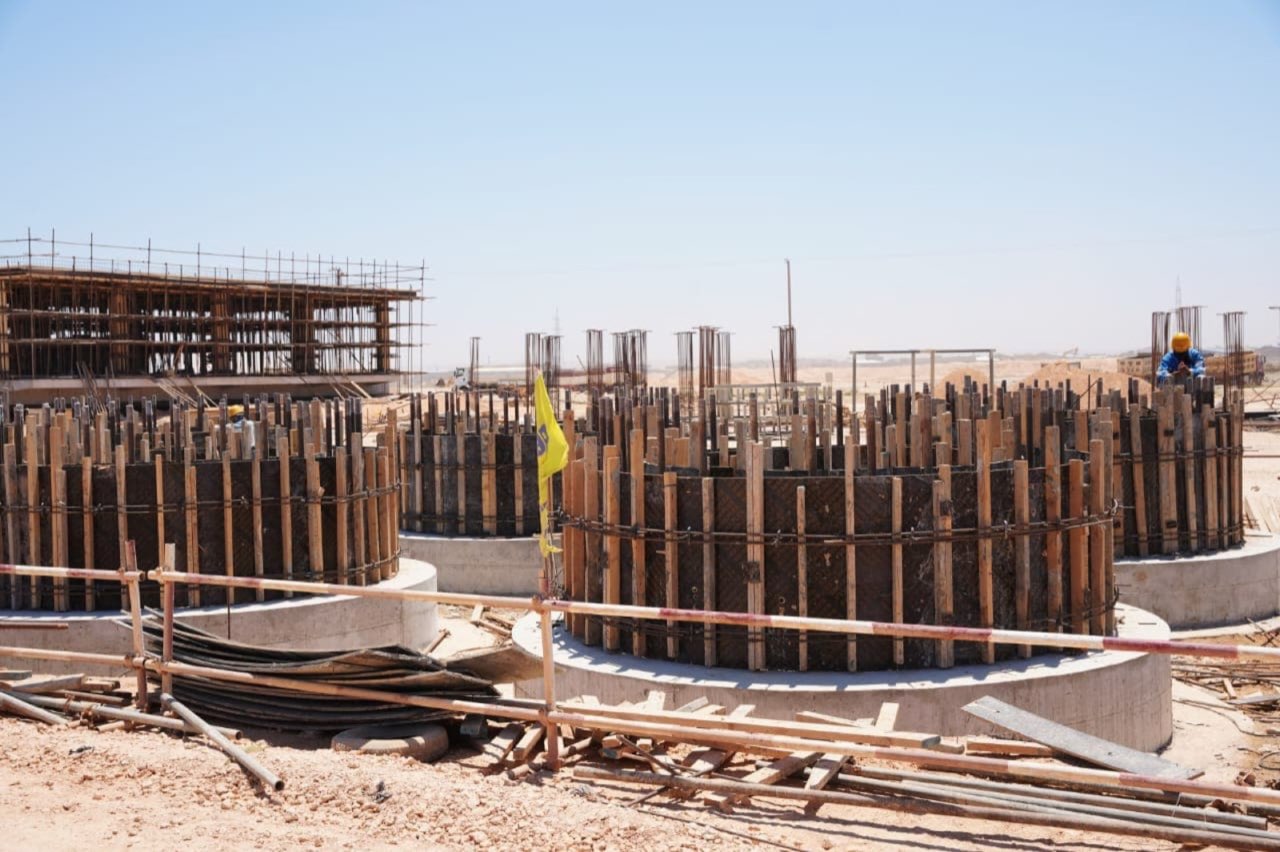
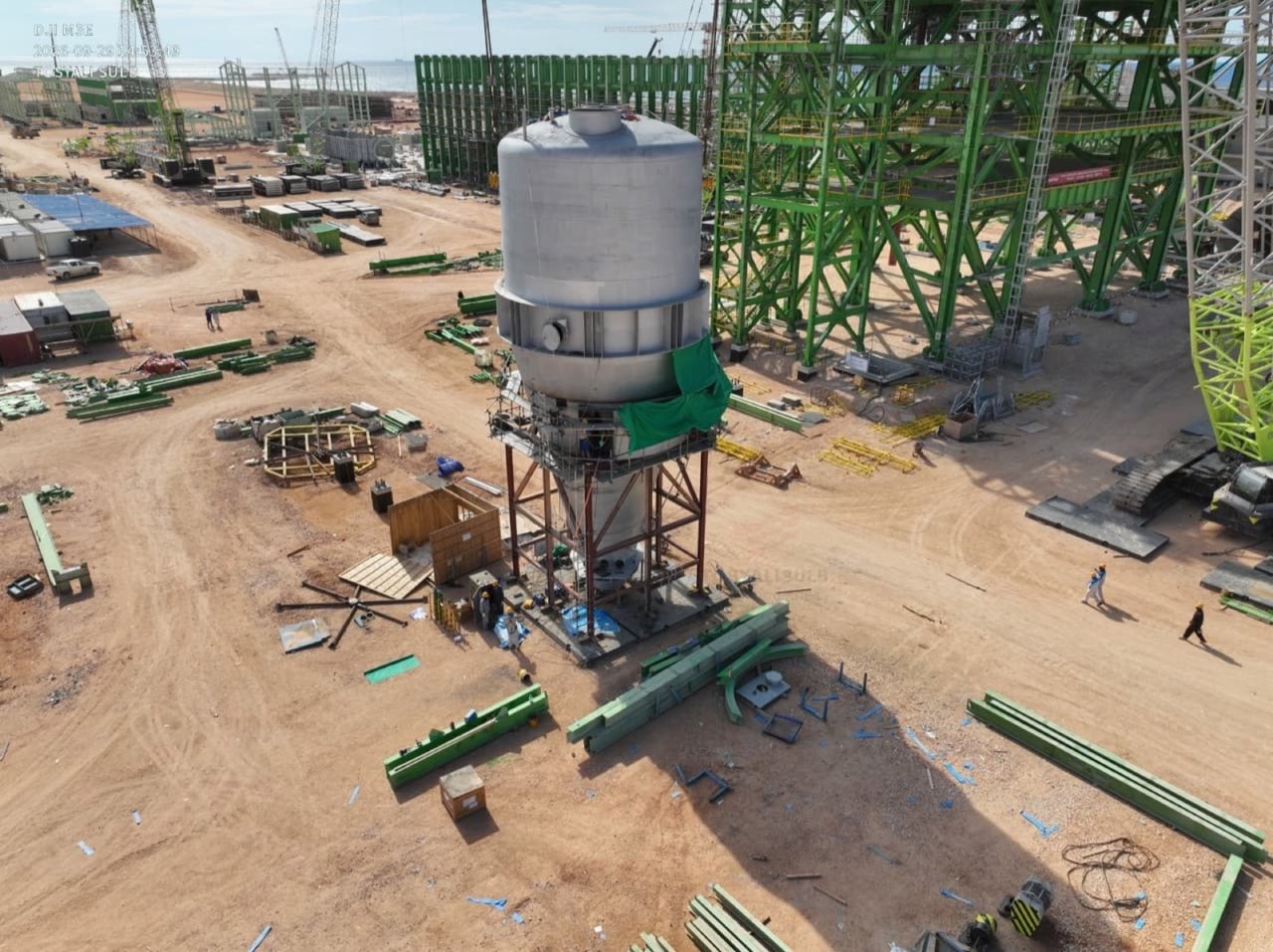
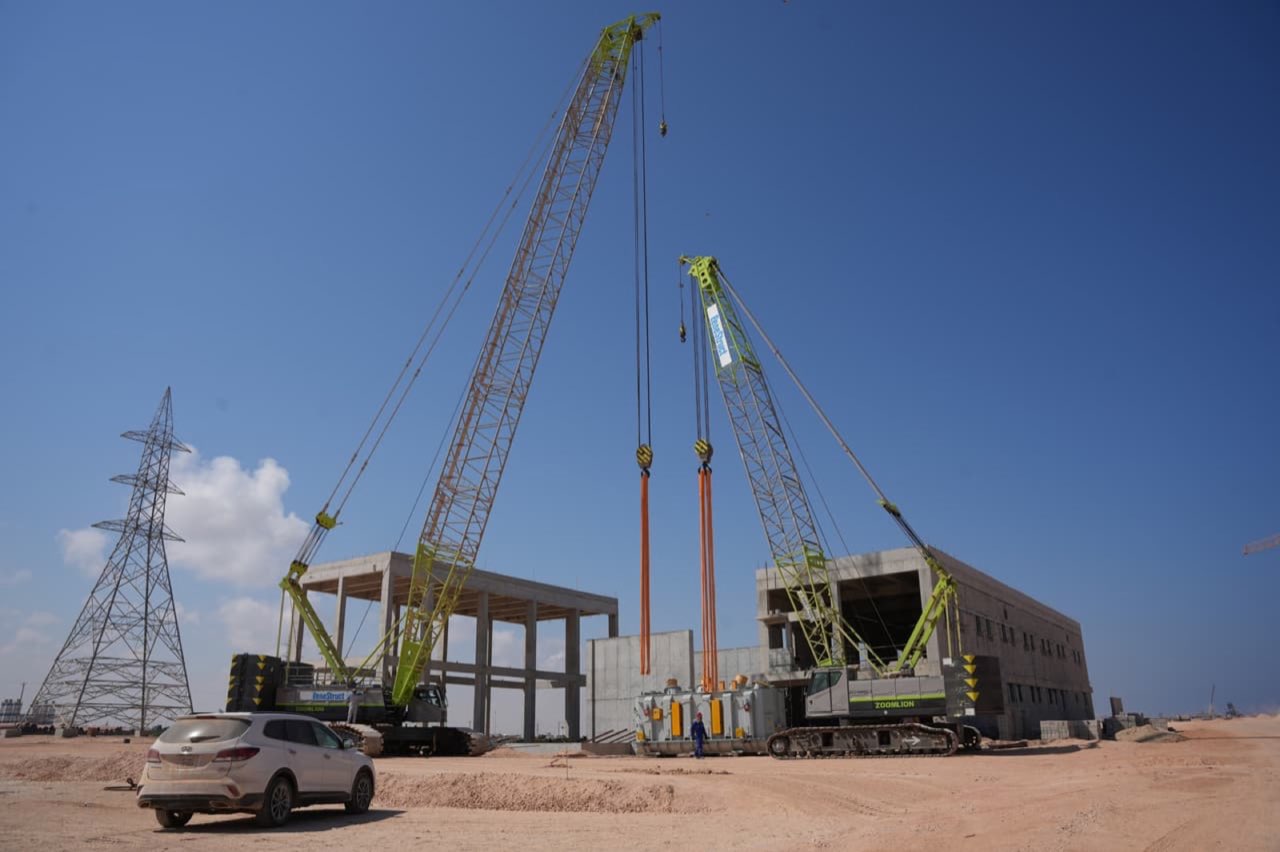
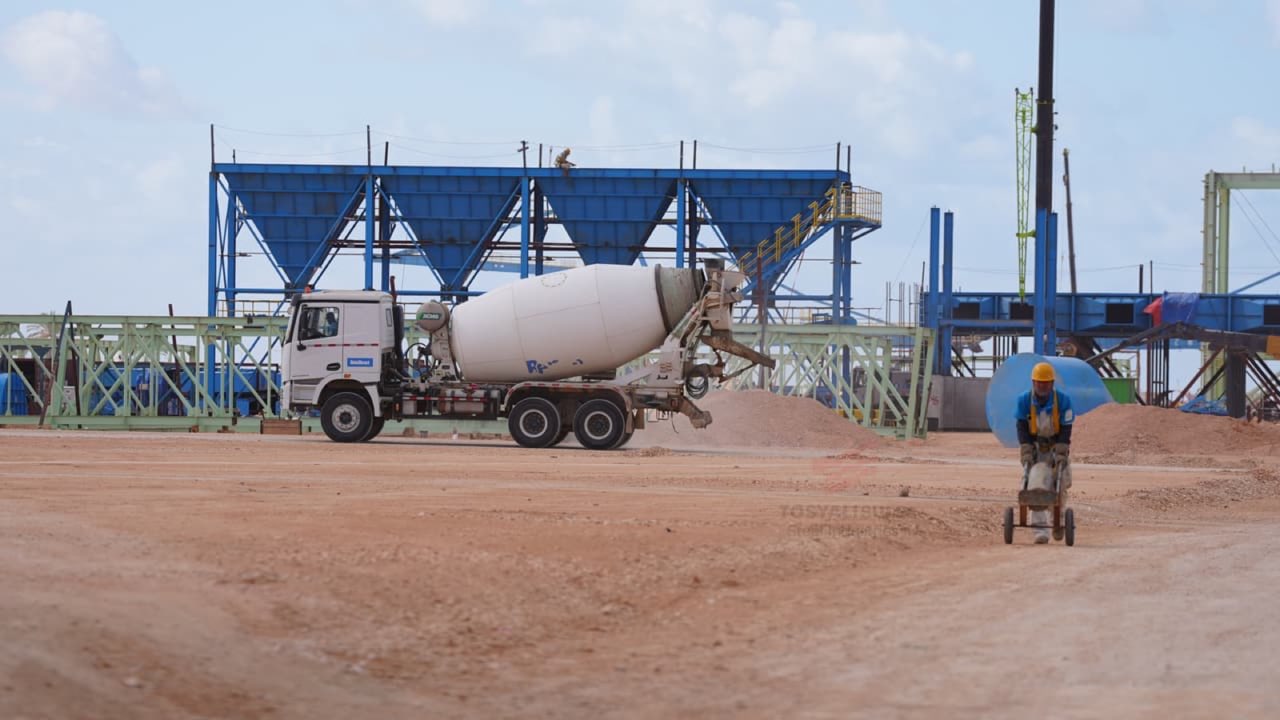
The common thread is a shift from moving goods to making them. Trading and distribution remain part of the picture, but steel, cement and food production now sit at the centre.
The 2010s
The 2010s brought years of conflict to Benghazi. Ahmed Gadalla kept his businesses operating through that period. Keeping companies running in such conditions is slow, unglamorous work, and it shaped his view that a business has obligations to the place it operates in, not only to its balance sheet.
He lives in Toronto, Canada, and his business ties to Libya and the UAE continue.
Lifelong learning
Many executives stop formal study once their careers are established. He went the other way.
The Scottish Qualifications Authority awarded him its SCQF Level 11 Extended Diploma in International Business – Strategy, a course he took over 2021 and 2022.
In 2022 he became a member of the Chartered Management Institute, where he has taken part in the Certified Manager Programme.
In 2025 he completed an MBA at International Business University in Toronto, and he is now pursuing doctoral-level studies.
For him, study is a way of testing practical experience against current thinking, not a credential to frame.
Priorities
Three concerns come up again and again in his work.
The first is jobs: industry that employs Libyans at home rather than importing what could be made locally.
The second is skills, especially training that gives young Libyans a real trade or profession.
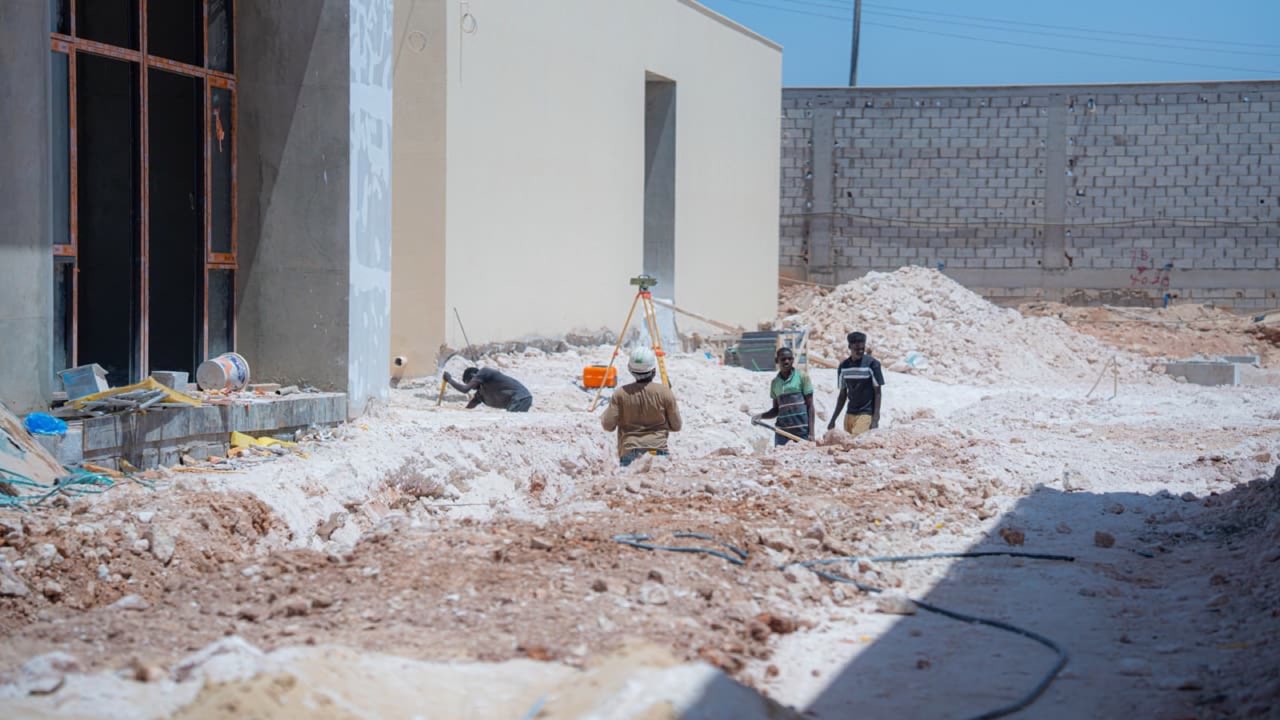
The third is decent conditions for the people who do the work, which is why worker housing sits alongside furnaces and production lines in his plans.
The motto he works by
“Stay, adapt and keep building.”
He sums up his approach in a short motto: "Stay, adapt and keep building." Stay, because commitments matter most when conditions are difficult. Adapt, because markets, technology and circumstances change. Keep building, because a factory, a skill or a home outlasts any single deal.
Read further
Read his reflections in Perspectives, see key dates on the Timeline, or find approved material in the Press Kit.