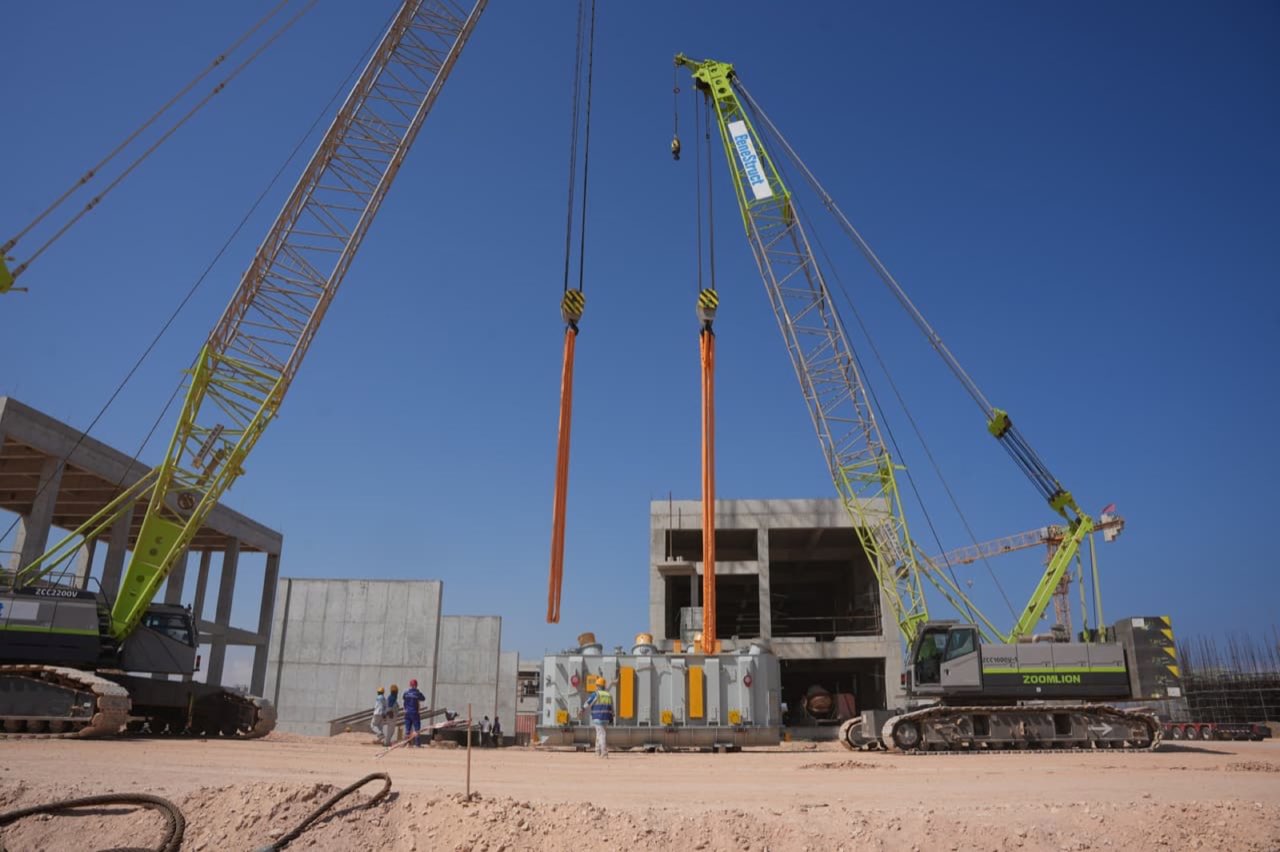
Local industry is national security: steel, cement and food
Why a country that makes its own steel, cement and food is harder to shake, and why building factories in Libya is about jobs, skills and resilience as much as output.
On trust, patience and logistics, and a road that began with a small auto-parts shop in Benghazi.
Nothing about the small auto-parts shop where I started out in Benghazi suggested it would one day lead me to the ports and markets of the Gulf. But it taught me the lesson I have carried ever since: a customer is never buying only the part. He is buying the certainty that it will arrive when promised and do the job it is meant to do. Almost everything I did afterwards was the same lesson, stretched over longer distances and larger volumes.
My early career was about building commercial links between North Africa and the Gulf: procurement, shipping and supply chains. On 21 December 2008 I founded Al Mored Oasis General Trading LLC in the UAE, and the same year Alushibe Holding Group was established. This is not a CV. It is an attempt to write down what those years taught me, in case it is useful to someone standing where I stood at the beginning.
In cross-border trade, contracts are necessary but never sufficient. A contract protects you when things go wrong; trust is what stops them going wrong in the first place. A supplier in the Gulf judges you by your record. Did you pay on time? Did you keep your word when circumstances changed? Did you tell him the truth when something on your side was late?
I learned that a reputation is built very slowly and can be lost in a day, and that the most valuable thing a Libyan trader brings to a Gulf market is his word.
I chose the UAE as the base for my Gulf trading business for practical reasons first. It is a trading and logistics hub where shipping routes from Asia, Europe and Africa meet, and its ports and free zones make re-export possible under rules clear enough to plan around. Anyone supplying a market like Libya needs one fixed point in the chain: a place where goods can be gathered, checked and documented before the long part of the journey begins.
Over time I stopped seeing the UAE as just a place goods pass through. It is also a school in how business is run: punctuality, clean paperwork, and respect for the person across the table. A good deal of what we later took into our projects in Libya was learned in that environment.
People assume a trader sells goods. Between the Gulf and Libya, what you really sell is your ability to deliver them. A delayed container can cost more than what is inside it, and one missing document can hold an entire shipment at the port. So I learned to always plan a second route, to keep relationships with more than one carrier and more than one supplier, and to prepare paperwork more carefully than seems necessary.
None of this is administrative detail. It is the core of the job, and the people who master it can keep working in conditions where others stop. My training in industrial engineering at the University of Garyounis helped me see it that way. Industrial engineering is, at heart, the study of how materials, time and decisions flow, and a supply chain between a Gulf port and a warehouse in Benghazi is really just a long production line that happens to cross the sea.
Benghazi went through very difficult years in the 2010s, and we kept operating through them. That was not heroism. It was a responsibility to the people whose livelihoods depended on us, and to a market whose need for goods did not pause. Those years showed the value of the links we had built in the Gulf: when routes at home narrow, a dependable partner abroad becomes a lifeline.
That is where the phrase I often repeat comes from: stay, adapt and keep building. Staying alone is not enough, and adapting without building turns into waiting.
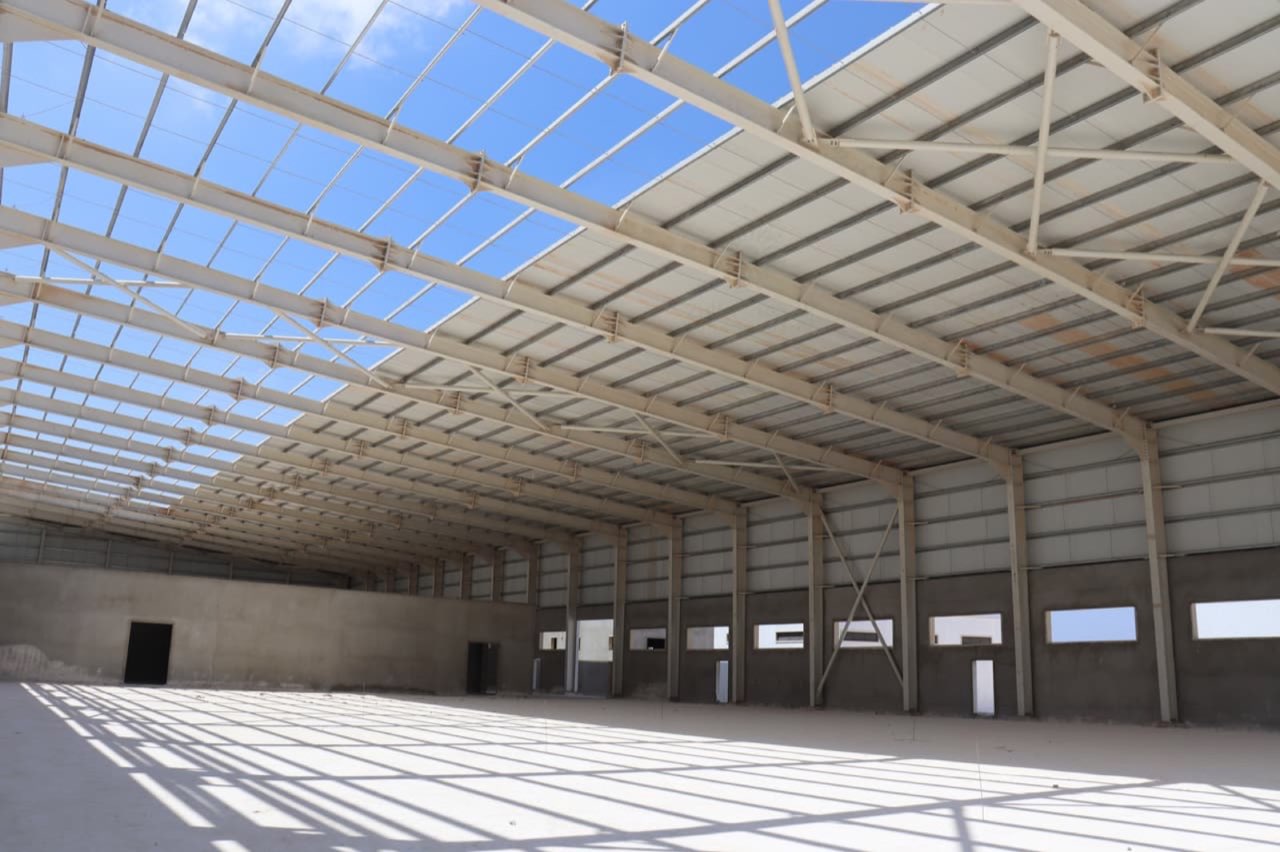
The longer I worked in imports, the clearer it became that Libya buys from abroad many things it could make itself. Trade shows you exactly what a market needs and where the gaps are. That knowledge is what gradually moved us from distribution and logistics into industrial investment: steel, cement and food.
I do not see this as a break from trade but as its natural continuation. A trader who understands supply chains also understands what makes a factory succeed or stall. Current project updates are published on the news page at ahmedgadalla.com, and I write about the wider argument in Local industry is national security.
If a young Libyan asked me how to build a business between the Gulf and home, I would put it in three points:
After all these years I am still learning, and the road between the Gulf and Libya still has new lessons for me. I suspect that is exactly what makes it worth travelling.
Keep reading
Why a country that makes its own steel, cement and food is harder to shake, and why building factories in Libya is about jobs, skills and resilience as much as output.
A strategy diploma in 2021–22, Chartered Management Institute membership, an MBA in 2025 and now doctoral-level study: why formal learning still matters after years in business.
Contact the office
Journalists, event organisers and prospective partners can reach the office of Ahmed Gadalla through the contact page.