What two decades of Gulf–Libya trade taught me
From a small auto-parts shop in Benghazi to founding a trading company in the UAE in 2008: what years of moving goods between the Gulf and Libya teach about trust, logistics and staying the course.
On returning to formal study in my forties, and what it changed in how I lead.
In my early forties, with a group of companies to run, I enrolled as a student again. People asked me why, and some wondered where I would find the time. I did not have spare time. That was partly the point.
I want to explain the decision honestly, because I think many people in business reach the same moment and talk themselves out of it.
My first degree was a B.Sc. in Industrial Engineering at the University of Garyounis, now the University of Benghazi. Engineering gave me a way of thinking that I still use every day: break a problem into parts, measure what you can, and respect the limits of materials and machines.
My first taste of study abroad came in 2007–2008, preparing for the TOEFL and GRE at Indiana University Southeast. At that stage I imagined further study would follow quickly. Instead, business took over. Trade between North Africa and the Gulf, the founding of Al Mored Oasis General Trading in the UAE in December 2008, and the building of Alushibe Holding Group filled the next years completely.
For a long time I told myself that experience was my education. In part, that is true. Running companies through difficult years in Benghazi taught me things no classroom could. But experience has a weakness: it teaches you what has already happened to you. It is less good at preparing you for what you have not yet seen.
As the group moved from trading into heavy industry and food production, the questions became larger. How do you structure a partnership with a foreign industrial company? How do you think about strategy over ten or fifteen years rather than the next shipment? How do you build managers, not just hire them? I realised I was answering these questions mostly by instinct. Instinct is valuable, but I wanted a firmer foundation under it.
Over 2021–2022 I went back to the books for the Scottish Qualifications Authority's Extended Diploma in International Business – Strategy, set at SCQF Level 11. I was about 41. Writing structured assignments again, with references and deadlines, was humbling at first. It was also refreshing. I had to defend my ideas on paper, not just in a meeting where people may be reluctant to disagree with the chairman.
In 2022 I joined the Chartered Management Institute, where I became a member and took part in its Certified Manager Programme. CMI's focus on management practice, on how you lead people and make decisions day to day, complemented the strategy work well.
My MBA from International Business University in Toronto followed in 2025. Today I am pursuing doctoral-level studies in business leadership and management.
The most useful change was not a single framework or model. It was the habit of asking, "What is the evidence for this?" before a decision, and "What did we learn?" after it. In a family of companies that grew quickly, that habit makes meetings shorter and decisions clearer.
Study also made me a better listener. Sitting in a class where my years of experience counted for nothing on the marking sheet reminded me how it feels to be the newest person in the room. I try to remember that feeling when I meet young engineers and graduates who join our companies.
And it changed how I think about training. If I believe that continued learning matters for a chairman, then it matters even more for a technician, a supervisor or a young manager at the start of a career. Skills and training for young Libyans have become one of the themes I care most about, and my own return to study is part of the reason.
People sometimes assume a doctorate is about a title. For me it is about discipline. Doctoral work forces you to take one question seriously for a long time, to read what others have already found, and to accept when the evidence does not support what you hoped. Those are good habits for anyone responsible for long-term industrial projects, where mistakes are expensive and slow to fix.
If you are in your forties or later and wondering whether it is too late, my answer is no. You will be tired. You will read on aeroplanes and late at night. You may feel out of place at first. But you bring something younger students cannot: real problems to test the theory against. That makes the learning stick.
My advice is practical. Choose a programme that connects to work you are actually doing. Tell your team, so they understand when you need protected time. And start with one step, not the whole ladder. I did not plan a doctorate when I enrolled for a diploma. Each stage made the next one possible.
I often come back to a simple motto: stay, adapt and keep building. It applies to companies and countries. I have found that it applies to people too, including those of us who thought our school days were long behind us.
— Ahmed Gadalla
Keep reading
From a small auto-parts shop in Benghazi to founding a trading company in the UAE in 2008: what years of moving goods between the Gulf and Libya teach about trust, logistics and staying the course.
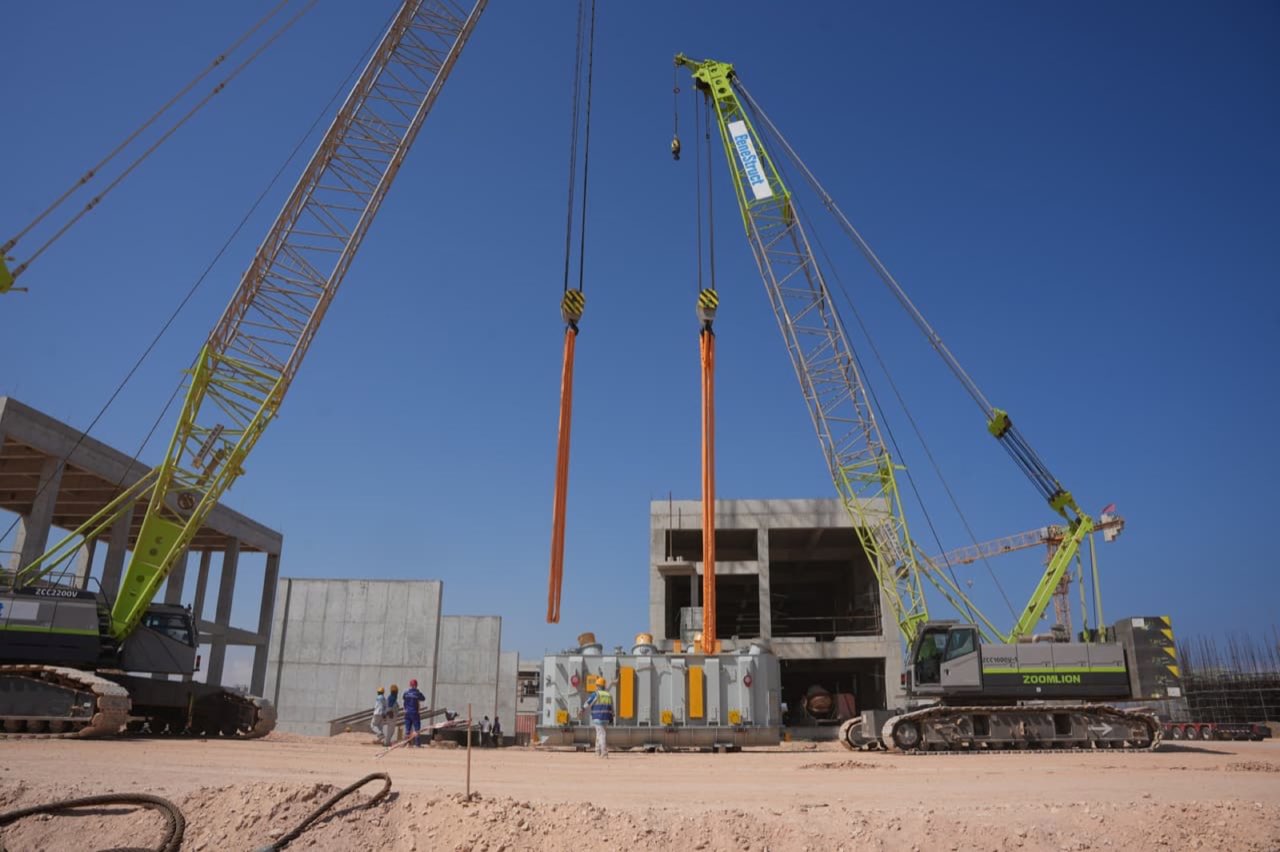
Why a country that makes its own steel, cement and food is harder to shake, and why building factories in Libya is about jobs, skills and resilience as much as output.
Contact the office
Journalists, event organisers and prospective partners can reach the office of Ahmed Gadalla through the contact page.